


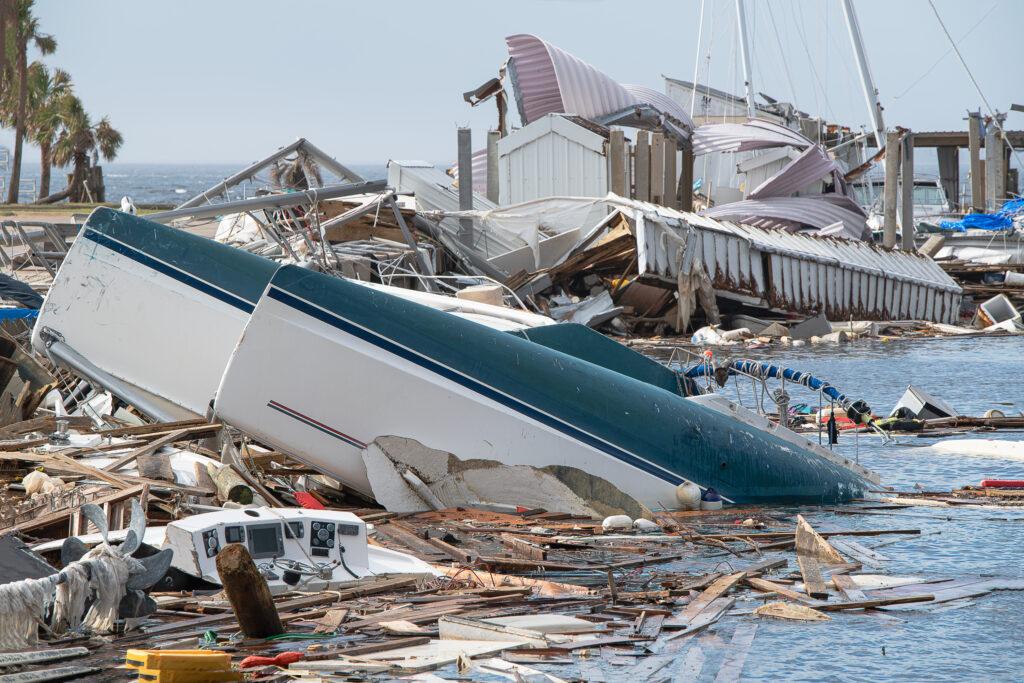
As the frequency and severity of natural disasters increase across the United States, the repercussions are being felt far beyond the directly impacted areas. The insurance market in New Jersey, despite being geographically distant from many catastrophic events, is experiencing significant changes in pricing and eligibility due to the evolving risk landscape. With insurers adjusting their policies to account for nationwide losses, homeowners and businesses in New Jersey are facing rising premiums, stricter underwriting criteria, and even potential coverage limitations. Working with an experienced, independent agency like US Insurance Agency can help policyholders better navigate these changes and evaluate their options in a shifting market.
Rising Insurance Premiums
One of the most immediate effects of increasing natural disasters is the rise in insurance premiums. Insurers operate within a national framework, meaning catastrophic losses in one part of the country can impact pricing in another. Wildfires in California, hurricanes along the Gulf Coast, and severe tornadoes in the Midwest contribute to substantial claim payouts, straining the financial reserves of major insurance providers. To compensate for these losses, insurers distribute the financial burden across their entire customer base, including policyholders in New Jersey.
Moreover, New Jersey is not immune to natural disasters. Superstorm Sandy in 2012 demonstrated the vulnerability of the state’s coastal regions, and the growing risk of flooding due to climate change further exacerbates the situation. As a result, insurers are reevaluating their risk models and adjusting rates accordingly, leading to higher costs for both homeowners and commercial property owners. By partnering with US Insurance Agency, clients can compare coverage options from multiple carriers to help ensure they are receiving competitive pricing and appropriate protection for their specific risk profile.
Stricter Underwriting and Eligibility Requirements
With rising costs and increasing risks, insurance companies are also tightening their underwriting processes. New Jersey policyholders may find it more difficult to obtain or renew coverage, particularly in high-risk areas. Properties in flood zones, near coastlines, or in areas prone to extreme weather events may face stricter eligibility requirements, forcing homeowners to invest in additional mitigation measures to maintain coverage.
Additionally, some insurers are withdrawing from high-risk markets altogether. This trend has already been observed in states like Florida and California, where insurers have pulled out due to excessive claims and unsustainable losses. While New Jersey has not yet seen widespread carrier exits, the ripple effects of these nationwide changes could lead to reduced availability of policies and fewer options for consumers.
Impact on Flood Insurance
Flood insurance, a critical component for many New Jersey homeowners, is also facing significant changes. The Federal Emergency Management Agency (FEMA) recently implemented Risk Rating 2.0, a new pricing methodology for the National Flood Insurance Program (NFIP). This updated system aims to provide more accurate and equitable pricing based on specific property risk factors. While some homeowners may see lower premiums, others, particularly those in high-risk flood zones, could experience substantial increases.
Private flood insurance providers are also reassessing their risk exposure, leading to potential rate hikes or policy restrictions. As a result, homeowners may need to explore alternative insurance solutions or invest in flood mitigation efforts, such as elevating properties or improving drainage systems, to qualify for affordable coverage. US Insurance Agency can help review both NFIP and private flood options, ensuring homeowners understand their coverage limits and any available alternatives.
The Future of New Jersey’s Insurance Market
Looking ahead, the New Jersey insurance market will likely continue to evolve in response to national and global climate trends. Regulatory bodies may step in to stabilize the market and ensure fair pricing, while insurers may introduce innovative products to balance risk and affordability. Policyholders, on the other hand, will need to stay informed about their coverage options, consider risk-reduction measures, and potentially adjust their budgets to accommodate rising premiums. Ultimately, as natural catastrophes become more frequent and severe, the impact on New Jersey’s insurance market is unavoidable. While residents may not experience the direct devastation of events occurring in other states, the financial and regulatory consequences will shape the landscape of home and business insurance for years to come. Having a knowledgeable partner like US Insurance Agency can provide guidance, advocacy, and access to multiple carriers, helping New Jersey homeowners and businesses make informed decisions in an increasingly complex insurance environment.